
7:00am - 7:00pm

Hours Sun. - Sat.

(810) 337-8709

Call Us For Free a Estimate

Facebook

How a Professional Excavation Service Prepares Your Land for Long-Lasting Driveways

excavation service

Highlights Proper driveway preparation begins below the visible surface, where excavation, grading, and soil preparation establish the conditions for the finished surface. Removing unsuitable soil and creating a properly shaped base can help reduce settling, drainage problems, and premature surface damage. Professional excavation accounts for existing terrain, soil conditions, drainage, and the intended driveway layout before the surface material is installed. IronGrade Surface Solutions approaches driveway preparation as a complete sitework process rather than simply removing dirt and creating a level area. A new driveway is a significant investment, but the surface material is only one part of the finished project....

Continue reading
How to Select the Right Stone Layers for a Durable Gravel Driveway

gravel driveway

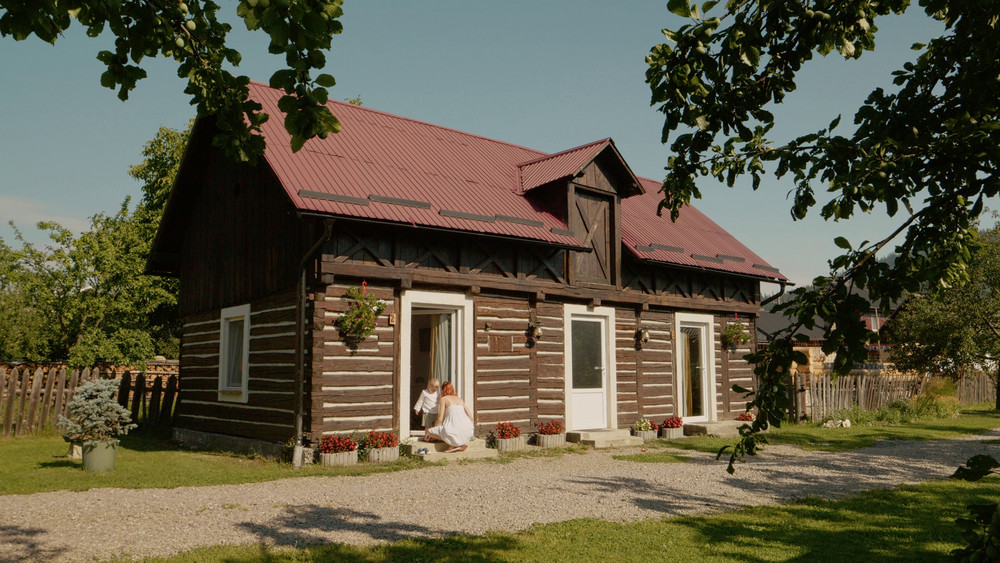
Highlights: Properly layering aggregate materials is essential for long-lasting stability and optimal drainage. A robust installation requires three distinct levels: a foundational base, a middle transition, and a surface layer. Preparing the subgrade and utilizing geotextile fabrics prevent structural sinking and weed intrusion. Routine maintenance and timely restoration keep your property looking pristine and functional year-round.   First impressions matter immensely when visitors or clients pull up to your property. The exterior appearance of your home or commercial facility sets the tone for everything that follows. According to Retail Customer Experience, 95% of customers say their opinion of a business is influenced...

Continue reading

Why Adding More Gravel Is Not Enough to Fix a Damaged Driveway

gravel driveway

Highlights Adding loose stone can hide potholes and ruts temporarily, but it does not repair drainage or foundation problems. Lasting restoration requires evaluation, grading, reshaping, drainage correction, aggregate placement, and compaction. Standing water, recurring washouts, deep ruts, and disappearing gravel indicate larger structural issues. Professional restoration improves stability, appearance, water flow, and long-term driveway performance. Why Adding More Gravel Is Not Enough to Fix a Damaged Driveway A damaged gravel driveway often seems to have an obvious solution: order another load of stone, spread it over the rough areas, and smooth the surface. At first, the results may look promising. Potholes appear...

Continue reading

7 Signs Your Gravel Driveway Needs Professional Regrading and Reshaping

Highlights Recurring potholes, deep ruts, standing water, and washouts indicate that a gravel surface has lost its proper shape. Professional regrading restores the crown and slope needed to move water away from the driving area. Reshaping and compaction help stabilize existing aggregate and reduce repeated maintenance. Early restoration can prevent minor surface damage from developing into expensive foundation or drainage problems. A gravel driveway can remain dependable for years when it is properly crowned, compacted, and supported by effective drainage. Over time, traffic, rain, snowmelt, and erosion change its shape. Low spots become potholes, tire paths deepen into ruts, and water...

Continue reading

How Gravel Driveway Restoration Fixes Potholes, Ruts, and Washouts

Highlights Professional restoration repairs the structural and drainage problems that cause potholes, ruts, and washouts. Regrading restores the crown and slope so water moves off the surface instead of collecting in low areas. Power raking, aggregate installation, and compaction create a stable, durable driving surface. Correcting drainage before adding stone reduces repeated damage and unnecessary maintenance. How Gravel Driveway Restoration Fixes Potholes, Ruts, and Washouts A gravel driveway can handle years of traffic when it has a stable base, proper surface shape, and effective drainage. Once one of those elements fails, small imperfections can quickly become deep potholes, wheel ruts, eroded shoulders,...

Continue reading

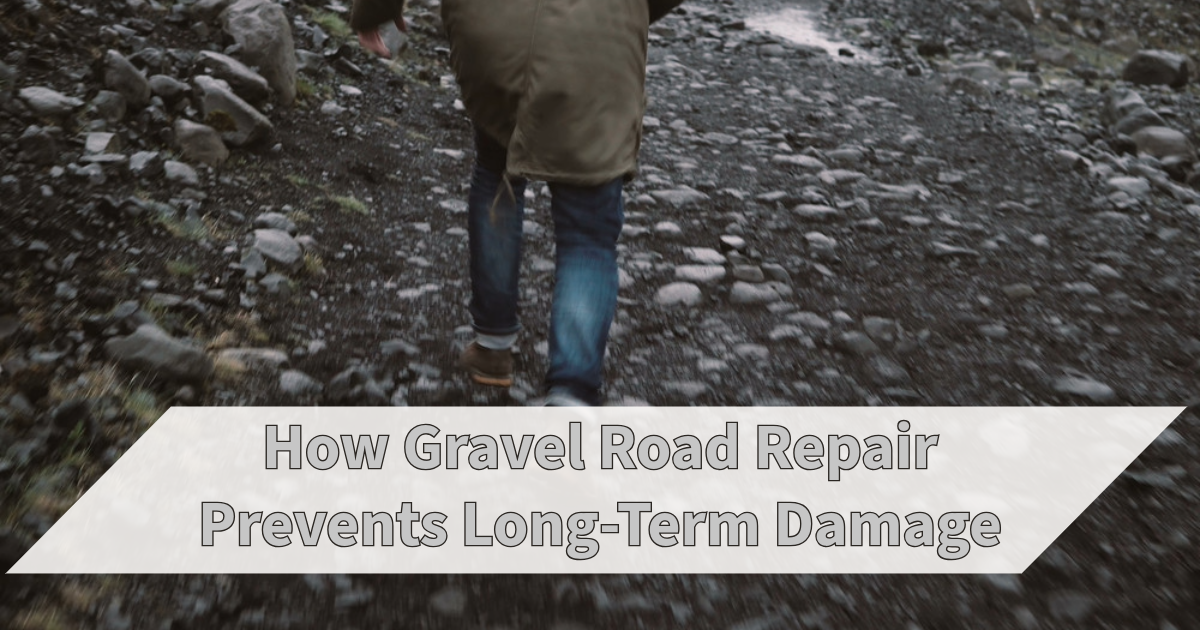
How Gravel Road Repair Prevents Long-Term Damage

Gravel driveways and roads are vital for accessing rural areas and agricultural lands. Yet, they are often subjected to wear and tear due to weather conditions and regular use. Regular maintenance and timely repairs are essential to preserve their integrity and ensure safe travel. The degradation of gravel roads can lead to increased costs in the long run. Routine grading and gravel replenishment reduce these costs by preventing the escalation of minor damages. Additionally, these preventive measures contribute to extending the lifespan of the roads, offering a better return on investment. Another significant factor is the impact on vehicles traveling these roads....

Continue reading

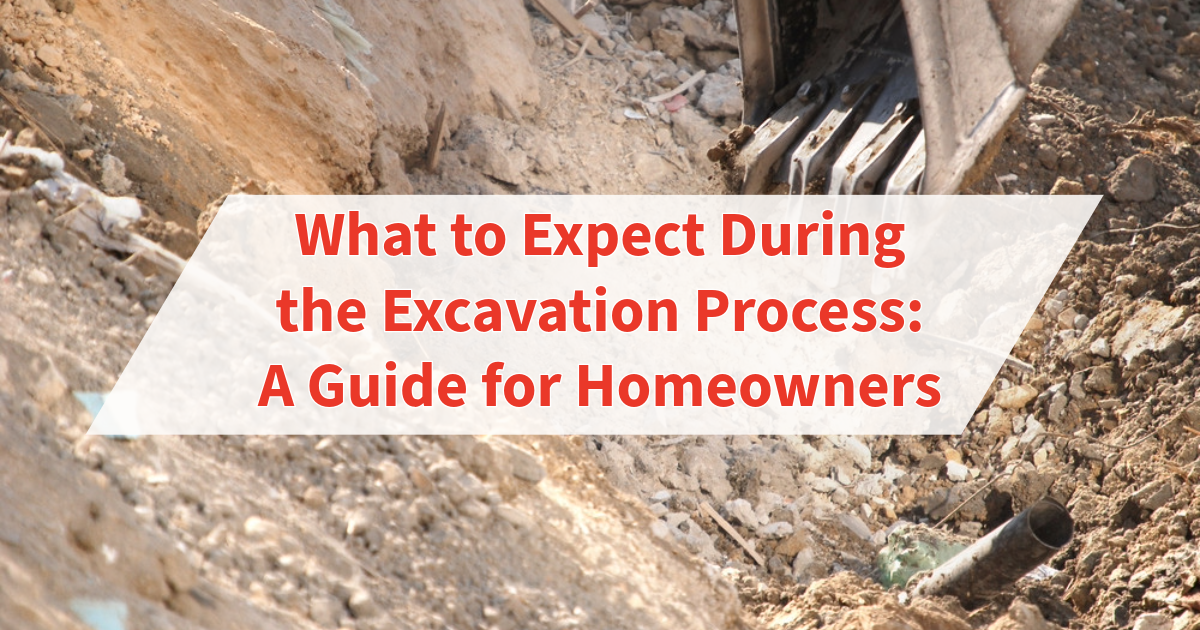
What to Expect During the Excavation Process: A Guide for Homeowners

Starting an outdoor property improvement project can be exciting, especially when the goal is a smoother driveway, better drainage, a more usable yard, or cleaner open space. For many homeowners, light excavation services are a practical first step for projects such as gravel driveway preparation, light land clearing, yard leveling, surface grading, and waterflow correction. These jobs do not require the same scope as heavy excavation work, but they still call for careful planning, the right equipment, and a clear understanding of how water, soil, and surface conditions affect your property. First, Contractors Will Review the Property and Project Goals Before light...

Continue reading

How Surface Grading Helps Redirect Water Away From Driveways

Surface grading plays an important role in protecting driveways from standing water, erosion, soft spots, and long-term surface damage. When a gravel driveway is not graded properly, rainwater can collect in low areas instead of moving away from the surface. Over time, this can lead to potholes, gravel washout, muddy sections, cracking, and uneven wear. For property owners with gravel driveways, poor drainage can be especially frustrating because water can shift the gravel, expose the base, and make the gravel driveway harder to use after storms. How Surface Grading Changes Waterflow The goal of surface grading is to shape the land so...

Continue reading

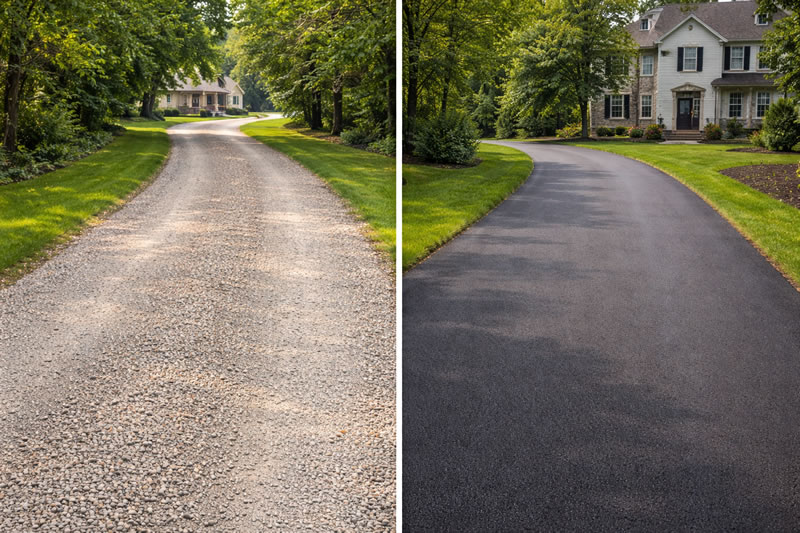
Gravel Driveway vs Asphalt in Michigan: The Honest Deep Dive

If you live in Michigan, your driveway is not just a surface. It is a structural system that has to survive heavy snow, spring thaw, saturated soils, plow traffic, and repeated freeze-thaw cycles. The conversation about gravel versus asphalt is usually framed around appearance or upfront cost, but in Michigan, that is not where the real story is. The real story is water. Both gravel and asphalt fail for the same underlying reason. Water infiltrates the structure, the ground softens, freeze-thaw expands trapped moisture, and the base begins to move. Once the base moves, the surface shows the damage. In gravel, that...

Continue reading

How to Know If Your Michigan Gravel Driveway Needs a Simple Regrade or a Full Rebuild

In Michigan, many gravel driveways look severely damaged every spring. Deep ruts appear, potholes form, and surfaces become uneven. The immediate reaction is often to assume the driveway needs all new gravel. That assumption is not always correct. The key difference between a simple regrade and a full rebuild lies in the condition of the base. A regrade is appropriate when the underlying stone structure is still intact. In these cases, the problems are usually related to a lost crown, surface migration of material, or minor drainage issues. Over time, vehicle traffic pushes gravel outward toward the edges. The center lowers. Water...

Continue reading