
How a Professional Excavation Service Prepares Your Land for Long-Lasting Driveways
Highlights
- Proper driveway preparation begins below the visible surface, where excavation, grading, and soil preparation establish the conditions for the finished surface.
- Removing unsuitable soil and creating a properly shaped base can help reduce settling, drainage problems, and premature surface damage.
- Professional excavation accounts for existing terrain, soil conditions, drainage, and the intended driveway layout before the surface material is installed.
- IronGrade Surface Solutions approaches driveway preparation as a complete sitework process rather than simply removing dirt and creating a level area.
A new driveway is a significant investment, but the surface material is only one part of the finished project. What happens underneath the driveway can have just as much influence on how it performs over time. If the underlying soil is unstable, improperly graded, or unable to handle water effectively, problems can develop even when the visible surface was installed correctly.
This is where professional site preparation becomes important. An experienced excavation service can evaluate the land, remove unsuitable material, establish the proper elevation, and prepare the ground for the driveway base. IronGrade Surface Solutions takes this preparation seriously because a durable driveway starts with conditions that support the finished surface from below.
The Ground Beneath the Driveway Matters
A driveway experiences repeated loading from vehicles, changes in weather, and ongoing exposure to moisture. The ground underneath needs to provide a stable foundation capable of supporting those demands.
Simply placing driveway material over existing soil does not account for differences in soil composition, low areas, organic material, or uneven terrain. Some areas may contain loose soil that compresses under repeated loads, while other sections may hold water because the existing grade does not direct runoff effectively.
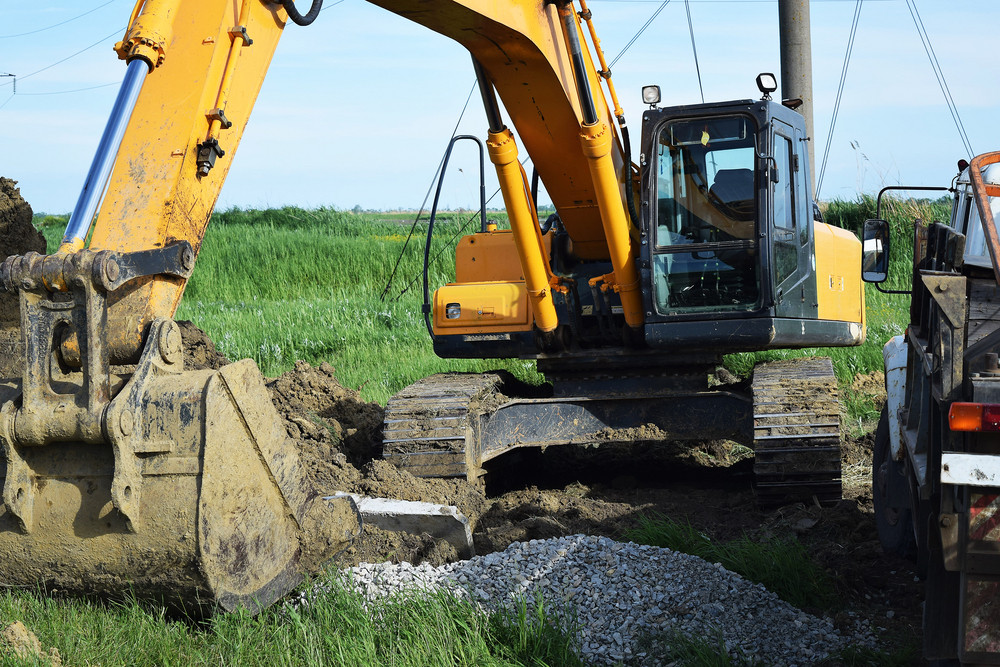
A professional excavation service addresses these conditions before the driveway is installed. The work may involve removing unsuitable soil, cutting into higher areas, filling low sections, and shaping the site to establish the intended grade.
Excavation Establishes the Driveway Grade
The driveway needs more than a flat surface. Its grade determines how the finished area relates to the surrounding property and how water moves across the site.
During excavation, the site can be shaped to accommodate the driveway’s planned slope and elevation. This may require removing additional material from certain areas while building up others to create a consistent profile.
According to Siteline, there are nearly 235,000 excavation and site development contractors in the United States, illustrating the scale of an industry responsible for preparing land for construction and development projects.
For a residential driveway, grading decisions can affect more than appearance. The driveway needs to meet the existing terrain while providing appropriate transitions at the garage, road, sidewalks, and other connecting areas. Careful excavation helps establish those relationships before the final driveway material is placed.
Addressing Soil Conditions and Drainage
The condition of the soil beneath a driveway can affect how well the finished surface holds up over time. Topsoil, organic material, loose fill, and poorly compacted soil may compress, break down, or shift after construction, potentially creating depressions and uneven areas beneath the driveway.
A professional excavation service can identify unsuitable material and remove it to the depth required for the planned driveway. Once that material is removed, the area can be prepared for the appropriate base materials and finished grade. Addressing these conditions before installation is generally more practical than attempting to correct settling after the driveway has already been completed.
Drainage is another important consideration during site preparation. Rain and melting snow need to move away from the driveway rather than collecting along its edges or beneath the surface. Poor drainage can contribute to erosion, saturated soil, and movement beneath the driveway, while repeated moisture and freeze-thaw cycles can place additional stress on an improperly prepared area.
The existing terrain, low areas, surrounding grades, and nearby structures all influence how water moves across a property. Proper grading can account for these conditions while establishing the driveway’s intended slope and elevation. The goal is not simply to create a level area, but to prepare a stable site where soil conditions and water movement have been considered before the driveway is installed.
Building a Stable Foundation for the Surface
Once unsuitable material has been removed and the site has been excavated to the appropriate elevation, the next stages of preparation can focus on creating a stable foundation.
The exact materials and construction methods depend on the driveway design and site conditions. However, the underlying base needs to provide consistent support beneath the finished surface. Uneven preparation can create differences in how sections of the driveway respond to vehicle loads and environmental conditions.
Proper preparation also helps establish consistent thickness and elevation for the materials installed above it. Instead of compensating for irregular ground conditions during the final installation, the site can be prepared according to the driveway’s intended design.
IronGrade Surface Solutions can approach this work with the broader property in mind, considering how excavation, grading, and site conditions affect the driveway as a whole.
Why Professional Site Preparation Is Worth Considering
Proper driveway preparation involves more than moving dirt. The condition and layout of the site can affect how the driveway is constructed and how well it performs after installation.
Key considerations include:
- Existing soil conditions: Unsuitable, loose, or organic material may need to be removed before construction.
- Elevation and grading: The site needs to be shaped to accommodate the driveway’s intended slope and connection points.
- Drainage: Grading should account for how rainwater and melting snow will move across and away from the driveway.
- Site access: Equipment and materials need to reach the work area without creating unnecessary complications elsewhere on the property.
- Surrounding terrain: Existing structures, landscaping, roads, and neighboring grades can affect how the driveway area should be prepared.
- Long-term stability: Proper preparation provides a more consistent foundation for the driveway materials installed above it.
Addressing these factors before installation can help prevent problems that are much more difficult to correct after the driveway is complete. IronGrade Surface Solutions can prepare the site according to its existing conditions and the requirements of the planned driveway.
Prepare Your Property for a Driveway Built to Last
A long-lasting driveway starts well before the first visible layer of driveway material is installed. Proper excavation, grading, soil preparation, and attention to drainage can create better conditions for the finished surface and help address potential problems while the site is being developed.
If you’re planning a new driveway, IronGrade Surface Solutions can help prepare the land with the sitework needed to move the project forward. Contact IronGrade Surface Solutions to discuss your property and determine what excavation service and preparation work your driveway project may require.
Frequently Asked Questions
Why is excavation important before installing a driveway?
Excavation helps establish the proper elevation, remove unsuitable soil, shape the site, and prepare the area for the driveway’s underlying base. These steps can address ground conditions that could otherwise contribute to settling, drainage issues, or uneven support.
Can excavation improve drainage around a new driveway?
Yes. Excavation and grading can shape the driveway area so water moves according to the property’s planned drainage pattern. The appropriate approach depends on the existing terrain, elevations, and surrounding features.
How can IronGrade Surface Solutions help prepare my land for a new driveway?
IronGrade Surface Solutions can provide excavation and site preparation work to address grading, soil removal, and other ground conditions before driveway construction. The preparation can be tailored to the property’s existing terrain and the requirements of the planned driveway.