
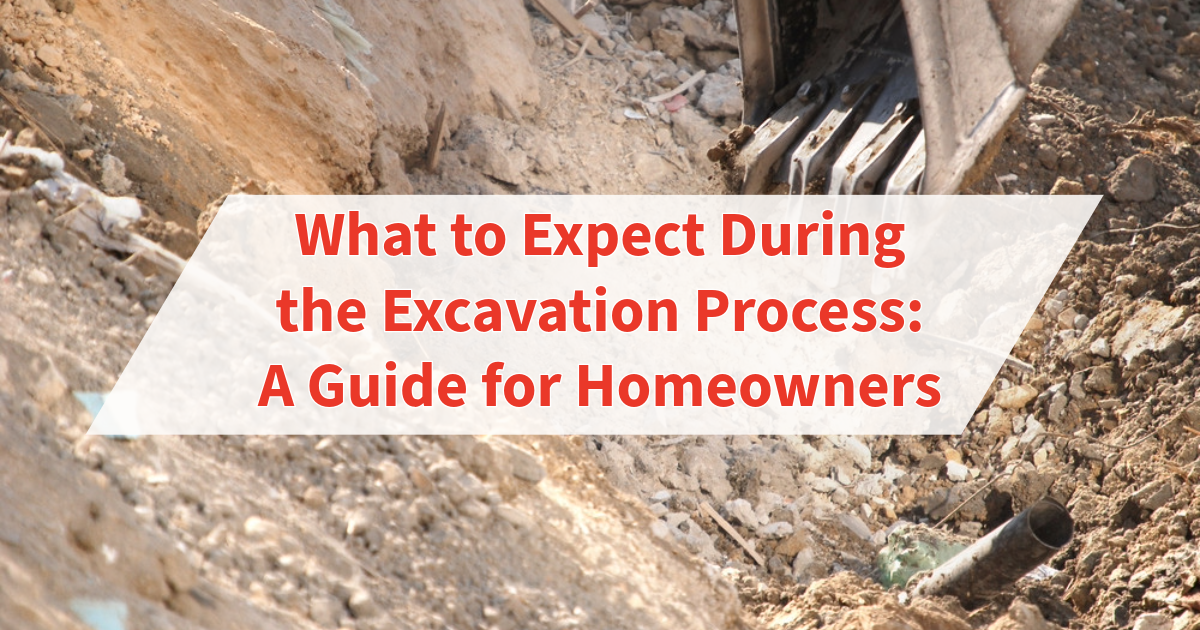
What to Expect During the Excavation Process: A Guide for Homeowners
Starting an outdoor property improvement project can be exciting, especially when the goal is a smoother driveway, better drainage, a more usable yard, or cleaner open space. For many homeowners, light excavation services are a practical first step for projects such as gravel driveway preparation, light land clearing, yard leveling, surface grading, and waterflow correction. These jobs do not require the same scope as heavy excavation work, but they still call for careful planning, the right equipment, and a clear understanding of how water, soil, and surface conditions affect your property.
First, Contractors Will Review the Property and Project Goals
Before light excavation begins, the contractor will assess the area and talk through the purpose of the project. For example, gravel driveway work may require removing uneven surface material, correcting low spots, and preparing a stable base. Yard leveling may involve smoothing high and low areas so the space is easier to mow, walk on, or use for future landscaping. Waterflow correction may require identifying where runoff collects and how grading can help guide it away from problem areas.
This step is especially important because light excavation is not the same as heavy excavation. Projects such as basement digging, pool excavation, large foundation work, and major site development require different licensing, insurance, equipment, and project planning. Irongrade Surface Solutions focuses on light excavation services suited for residential surface improvements, gravel areas, drainage concerns, and manageable land clearing needs.
Next, Light Excavation Work Can Begin
Once the plan is clear, the work can begin with equipment and methods suited to the property. Depending on the project, this may include removing brush, reshaping uneven ground, spreading or preparing gravel, smoothing rough yard areas, or adjusting the surface grade to improve water movement. The goal is not to dig deep or handle large-scale construction work, but to improve the condition, function, and usability of the surface.
For gravel driveways, light excavation can help create a better foundation before new stone is added. For drainage concerns, surface grading can help reduce standing water, soil washout, and muddy areas. For light land clearing, the work may involve clearing small growth, brush, or surface debris so the space is easier to maintain. Each project is handled with attention to the property’s natural slope, soil conditions, and intended use.
Finally, The Property Is Left Ready For Everyday Use Or Future Improvements
After the light excavation work is complete, the area should be more functional and easier to manage. A driveway may have a smoother surface and a better gravel base. A yard may be more level and usable. A drainage area may have improved waterflow that helps reduce pooling and erosion. While the finished space may still need gravel, grass seed, landscaping, or other final touches, the groundwork will be in better shape for the next step.
Small outdoor improvements can make a meaningful difference in how a property looks and functions. Whether you are trying to refresh a gravel driveway, correct waterflow issues, clear a small area of land, or level part of your yard, light excavation services can help prepare the space without taking on the scope of heavy excavation. If you need help with light excavation, gravel driveway preparation, yard leveling, surface grading, waterflow correction, or light land clearing, reach out to Irongrade Surface Solutions today.